Working with researchers around the globe on issues directly relevant to improving construction industry outcomes. Specifically, we match identified industry needs with researchers able to investigate those needs.
Assisting construction firms to improve on what they do, particularly in developing countries. We can advise, and we can work with firms to identify and facilitate desired organizational change.
Current projects
Industry regulation
Presently we are working with Indonesian partners on the nature of construction regulatory reforms to be adopted.
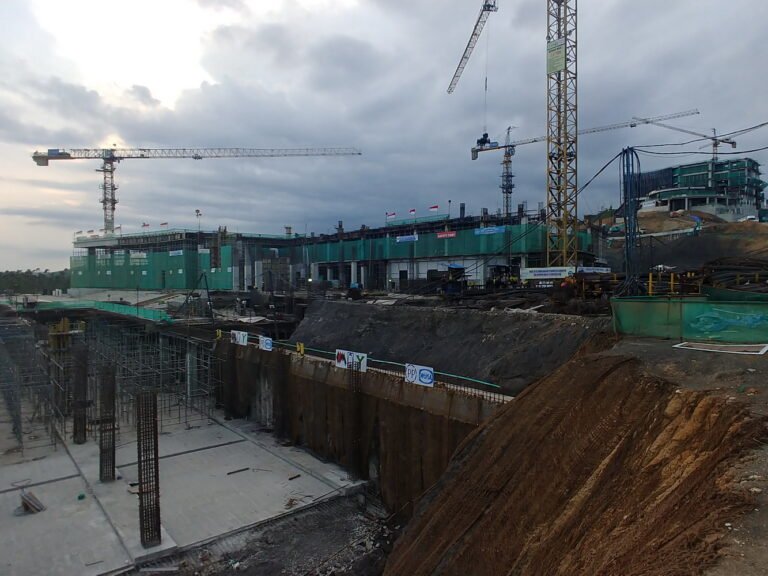
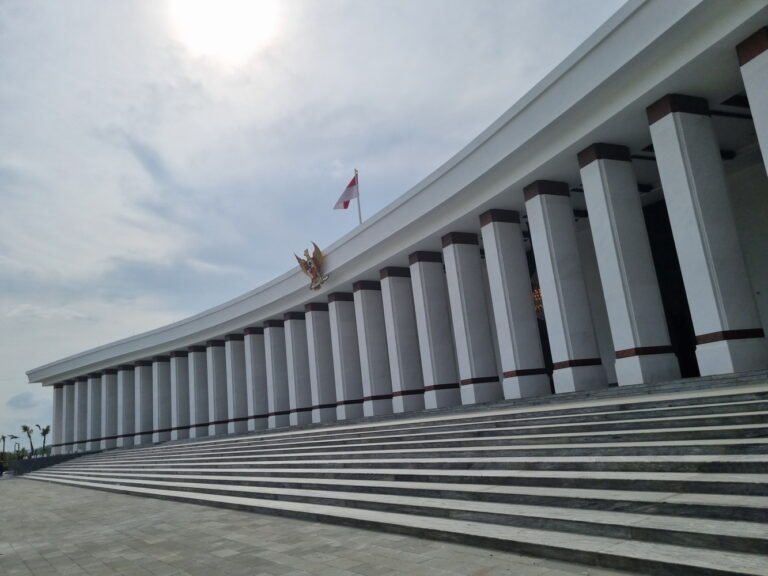
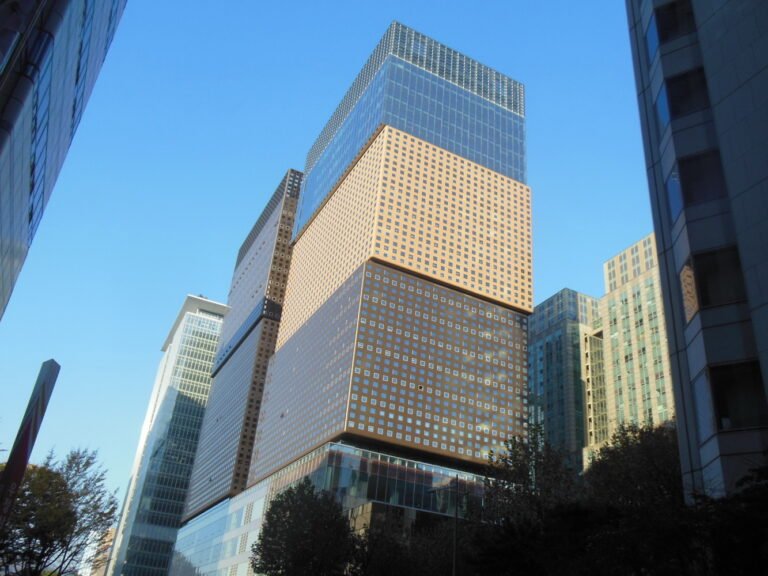
This concern coincides with the development of Indonesia’s New Capital City (IKN) initiative, Kalimantan, which showcases Indonesia’s aspiration to deliver megaprojects, but which is being undertaken under burdens of corruption, inefficiency, and lack of financing. It is apparent that Indonesia’s current regulatory framework is outdated and in need of revision.
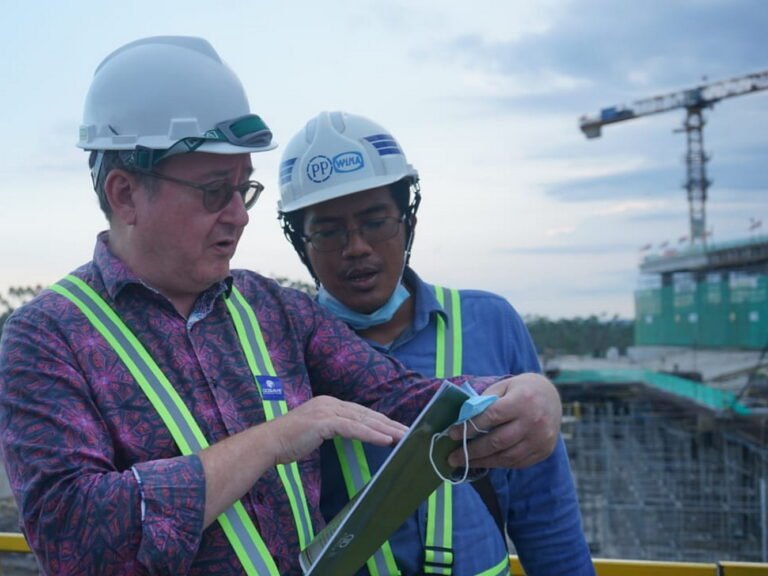
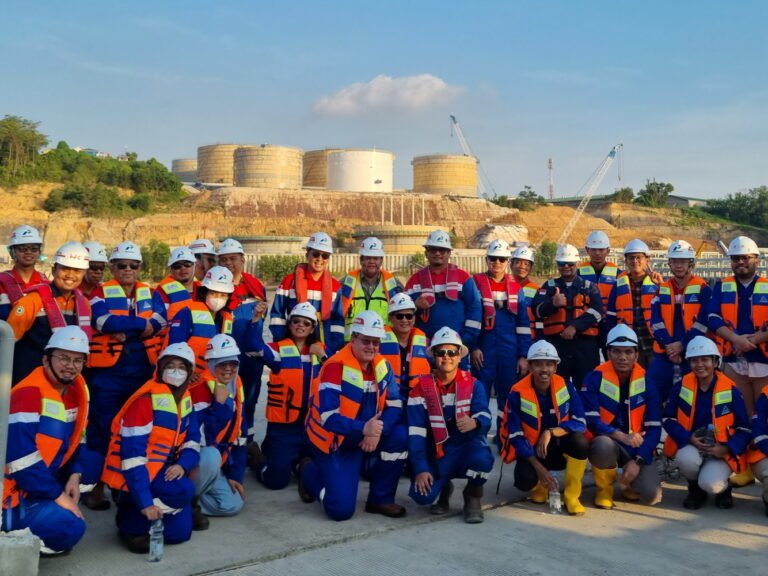
New Capital City (IKN) site visit
IKN - Stage I
IKN - Stage II
Construction productivity
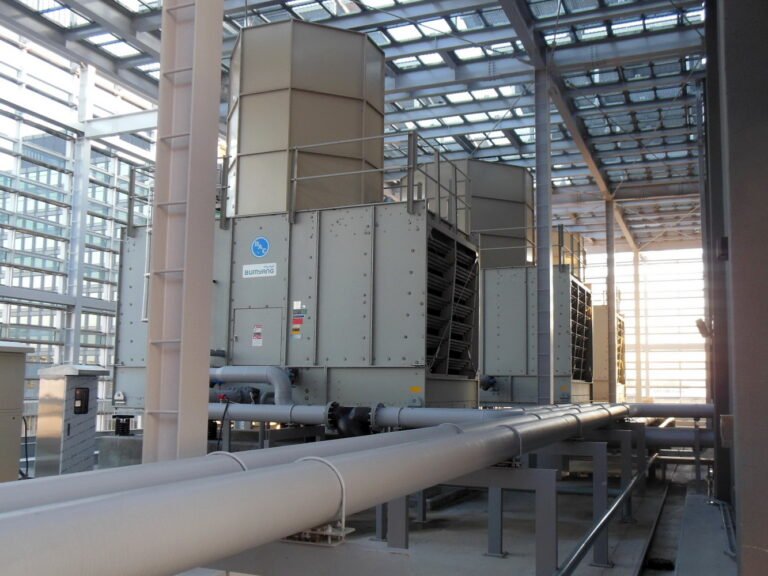
Despite the positive impact on the economy delivered by infrastructure projects, construction firms themselves remain poor performers, with high rates of insolvency. Managers tend to prioritize immediate project success while neglecting longer-term outcomes.
Transitioning to more innovative, sustainable practices that necessarily disrupt existing systems, while at the same time meeting present project demands of time, cost, quality, are a significant challenge we are working with industry to resolve.
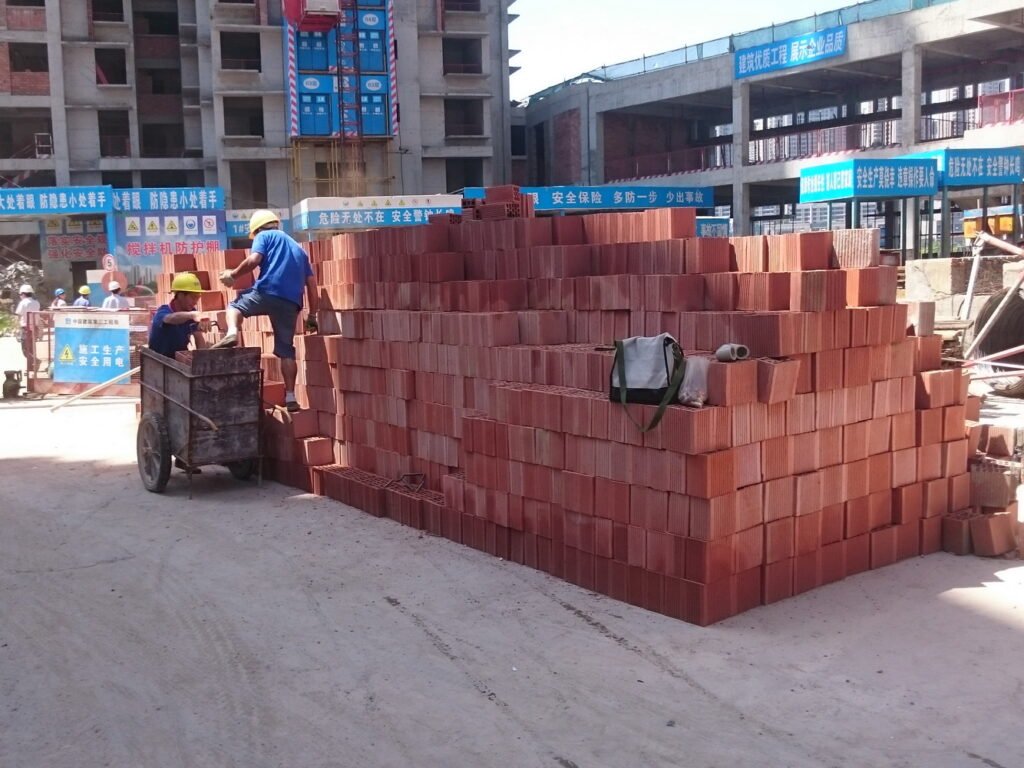
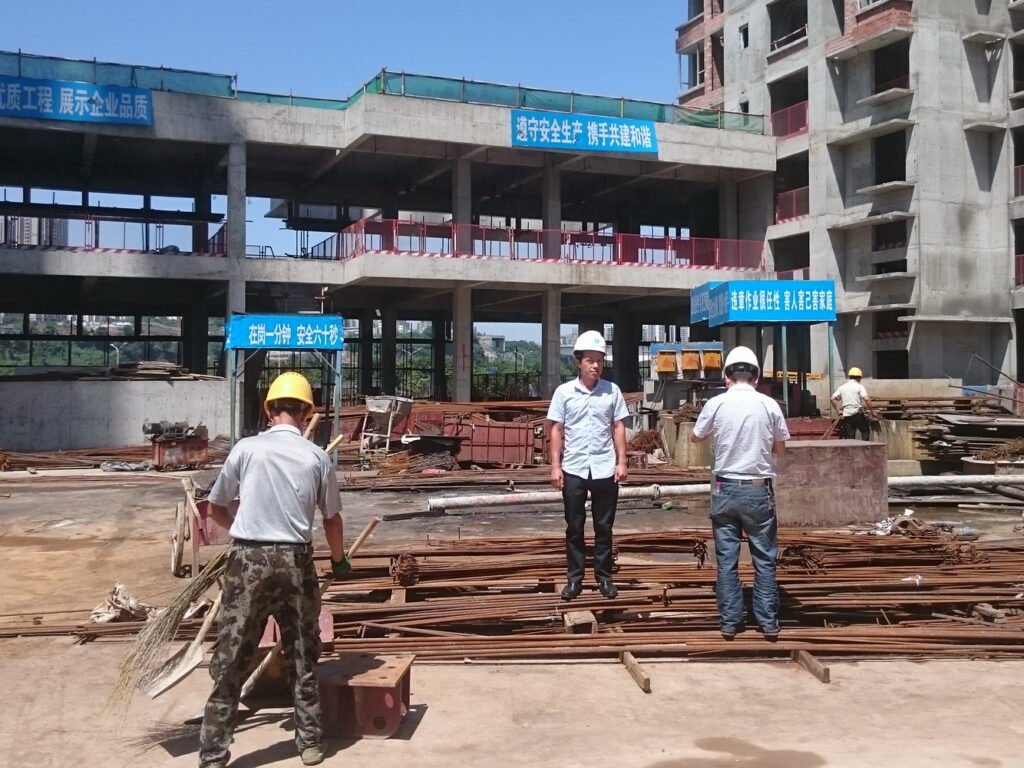
Productivity - Materials handling
Productivity - Skill sets
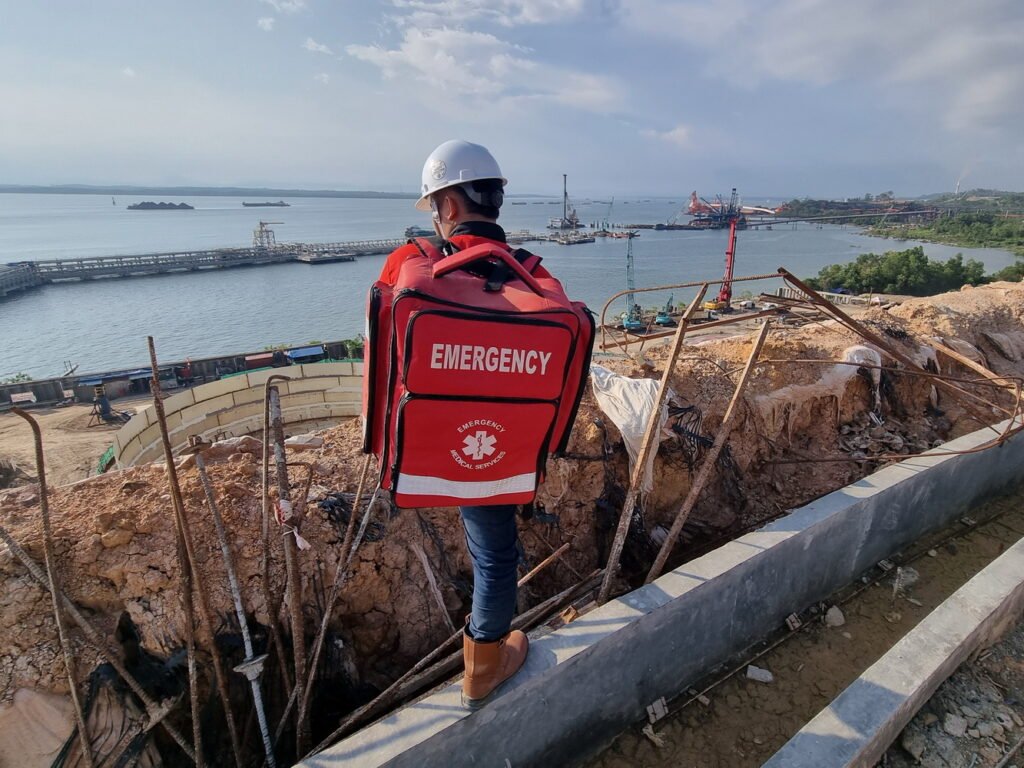
Productivity - Safety protocols
Education and training
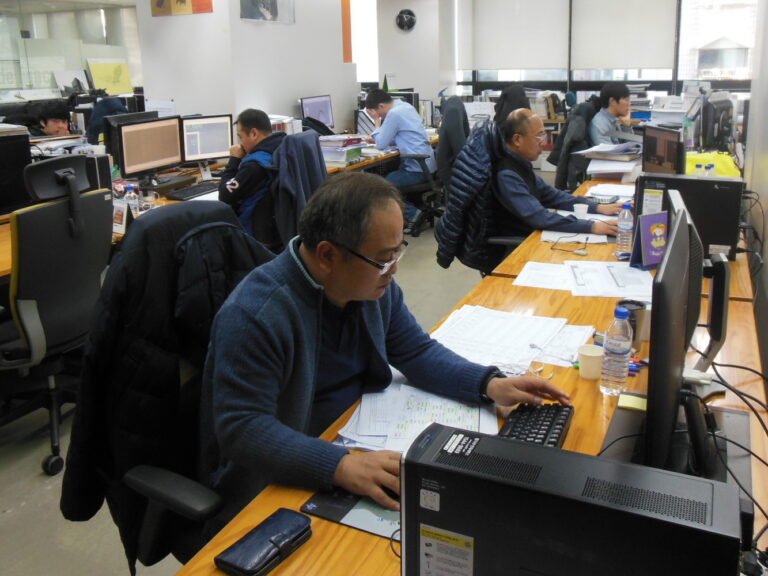
The construction industry continues to suffer from managerial and skills shortages. We look for ways to supplement the industry with needed expertise.
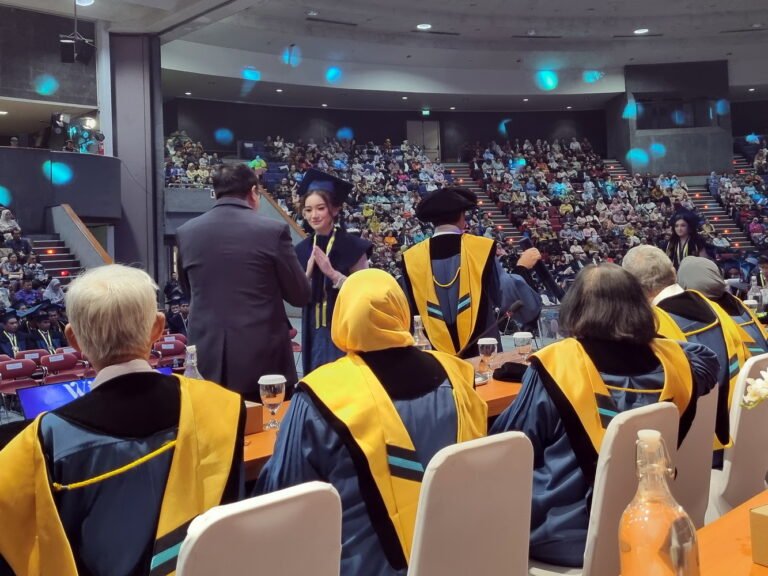
Three levels of intervention present themselves. As academics, we facilitate faculty exchanges and the revitalization of education to more directly respond to industry needs. We work with industry stakeholders in developing supplemental short-course programs. We liaise with government on industry training reform.
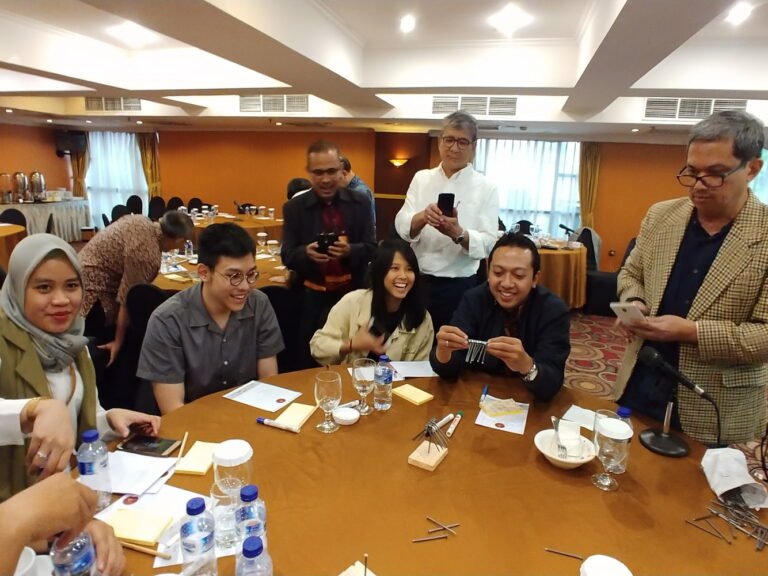
Industry workshops
On-site assessments
University collaborations
Artificial intelligence
AI is the future and cannot be neglected. Still, the construction sector largely does not know how to avail itself of AI potentials. We are working to bring AI developers and industry practitioners together to determine what AI can offer, and how this can be achieved.
Industry 4 (the fourth industrial revolution) gave construction BIM, ‘internet of things,’ drones, remote sensing, ‘smart systems,’ and the like. While these aide in decision-making, AI promises to take over that very responsibility. Its grafting into industry must be taken on with great care.